
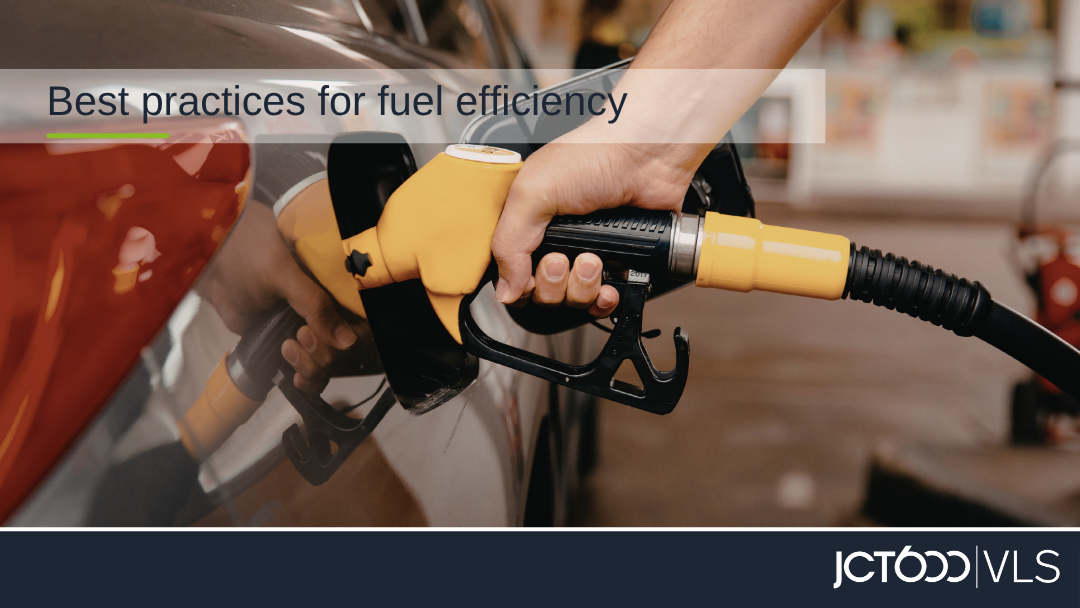
With fuel prices on the rise, and no sign of slowing down, there’s raised worry around the price at the pumps. The increases in petrol and diesel prices have been described as “unprecedented” by the RAC. While you can’t control the global price of oil, you do have some control over your car’s fuel consumption. By applying best practices, you can save much-needed money over time.
Use Data to Find the Best Deal
The Fuel Finder scheme requires every petrol station in the UK to publish price changes to a central database, with changes updated within 30 minutes. Using apps like Petrol Prices allows you to find the cheapest option before leaving the house, making it easy to work your refuel into errands or your daily commute.
Top Tip: If you live near a cheap station, consider only filling your tank halfway. Fuel is heavy (a full 70-litre tank weighs about 50kg); by not carrying that extra weight, you improve your mpg [miles per gallon] slightly, though this only works if you don’t have to drive extra miles to refuel.
Saving 5p per litre might not seem like much, but with a 55-litre tank, you’re saving £2.75 every time you fill up. Spread this cost saving over the year, and watch the pounds saved rack up!
Smooth Out Your Driving
The way you drive can have a massive impact on how your car burns through fuel. Aggressive driving can lower your fuel mileage by roughly 15% to 30% at motorway speeds and 10% to 40% in stop-and-go traffic.
Top Tip: If you see a red light far ahead, take your foot off the accelerator early and stay in gear. Modern engines cut off fuel delivery almost entirely when you’re coasting in gear, whereas “neutral” still burns fuel to keep the engine idling.
Aim for “progressive” acceleration. Imagine there’s an egg between your foot and the pedal that you don’t want to crack. By smoothing out your inputs, a driver spending £150 a month on fuel could easily save £30–£45 per month.
Manage Your Aerodynamics and Weight
Carrying around extra weight in your trunk forces your engine to work much harder. Clear out anything that you don’t need for that specific journey. Also, remove roof racks or cycle carriers when you aren’t using them.
Top Tip: Take advantage of the car and wind by rolling down your windows when travelling under 45mph, instead of using the car’s AC.
Every 50kg of unnecessary weight can reduce your MPG by about 1% to 2%. Roof racks and external carriers are even more “expensive,” reducing efficiency by up to 20% due to wind resistance.
Keep Your Tyres Inflated
This one may seem obvious, but a lot of drivers are unaware of the connection between their tyres and engine. If they are underinflated, the rolling resistance increases, meaning the engine has to burn more fuel to keep the wheels turning.
Top Tip: Check your tyre pressure at least once a month (and always before a long trip). You can find the correct PSI on a sticker inside the driver’s door frame or in your manual.
Keeping your tyres at the correct pressure can improve MPG by up to 3%, while also extending the life of the tyres themselves. If all four tyres are down by 5–10 PSI (a common occurrence), you’re losing 2% to 4% in MPG.
Quick Wins
- Driving gently immediately after starting is the fastest (and most fuel-efficient) way to bring the engine up to temperature. Modern cars don’t need to sit on the driveway for 5 minutes to warm up in the morning.
- Maintaining a smooth, consistent speed and reducing excessive idling prevents your engine from burning through fuel unnecessarily.
By combining smart refuelling with better maintenance and smoother driving, you can expect to see your MPG increase. These practises will also see a reduction in wear and tear on your vehicle, improving your overall performance.